Making the Shift: Transitioning Your Triathlon Training Outdoors
Trading the Treadmill for the Trails: How to Transition Outdoors Like a Pro
You’ve been consistent all winter—Zwift rides, treadmill runs, swim cords or indoor pools. But now the weather’s turning, the sun’s rising earlier, and it’s time to make the shift outdoors. That’s exciting—but let’s be real—it can also feel like starting over. Wind, hills, traffic, cold water, trail debris… all the variables you didn’t have to worry about inside are suddenly part of the picture.
I’ve coached triathletes of all levels through this seasonal transition, and what I’ve learned is that even experienced athletes need a reset this time of year. Whether you’re prepping for your first local sprint or your fifth World Championship, this post will help you confidently take your training outside.
Why Outdoor Training Matters for Triathletes
Sure, indoor training is efficient, controlled, and consistent—and it has its place in a smart triathlon plan. But real-world racing happens outside, and the more your training mimics race-day conditions, the better prepared you’ll be.
Here’s what outdoor training helps you develop:
Environmental awareness: Wind, heat, cold, elevation, and terrain adaptation
Technical skills: Bike handling, open water sighting, running on uneven ground
Mental toughness: Dealing with the unexpected—because something always happens in a race
If you’re aiming to hit a PB or qualify for Worlds, your success depends on practicing in the environment you’ll be racing in.
The Bike: Rebuilding Confidence on Real Roads
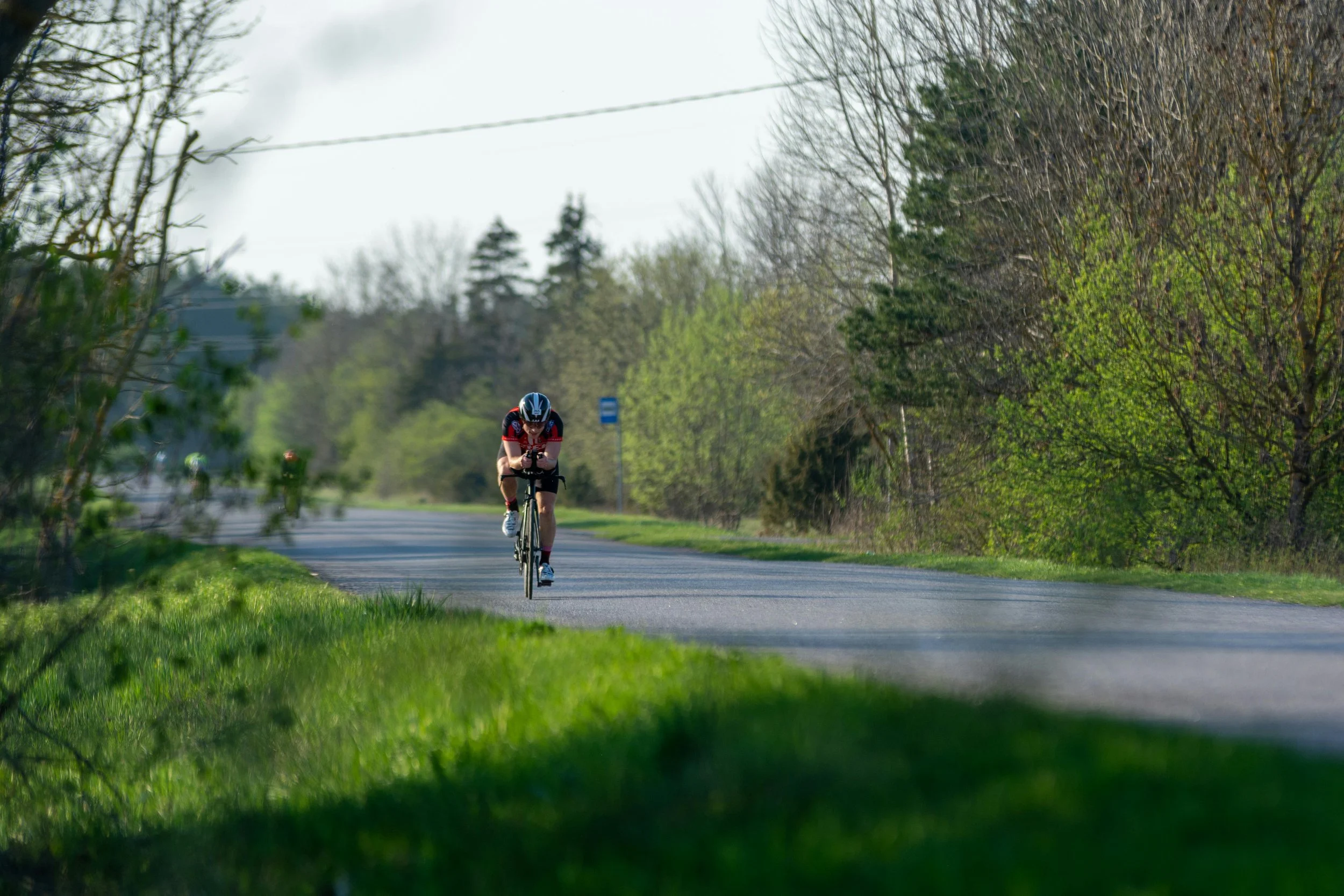
Let’s be honest—Zwift doesn’t throw potholes at you or make you swerve around parked cars. The first few outdoor rides after winter can feel like you’re learning to ride again. That’s normal.
Tips for Outdoor Bike Transitioning:
✔ Start with low-traffic routes to build confidence before mixing with cars.
✔ Check your equipment: tire pressure, brakes, drivetrain, and make sure your fit still feels right.
✔ Relearn your handling: Practice braking, cornering, standing climbs, and even clipping/unclipping.
✔ Layer like a pro: Spring weather is unpredictable—use removable layers, gloves, and toe covers.
Pro Tip: Schedule your first few outdoor rides as skills sessions, not fitness tests. Speed will come—confidence is the priority.
The Swim: Embrace the Cold (and the Chaos)
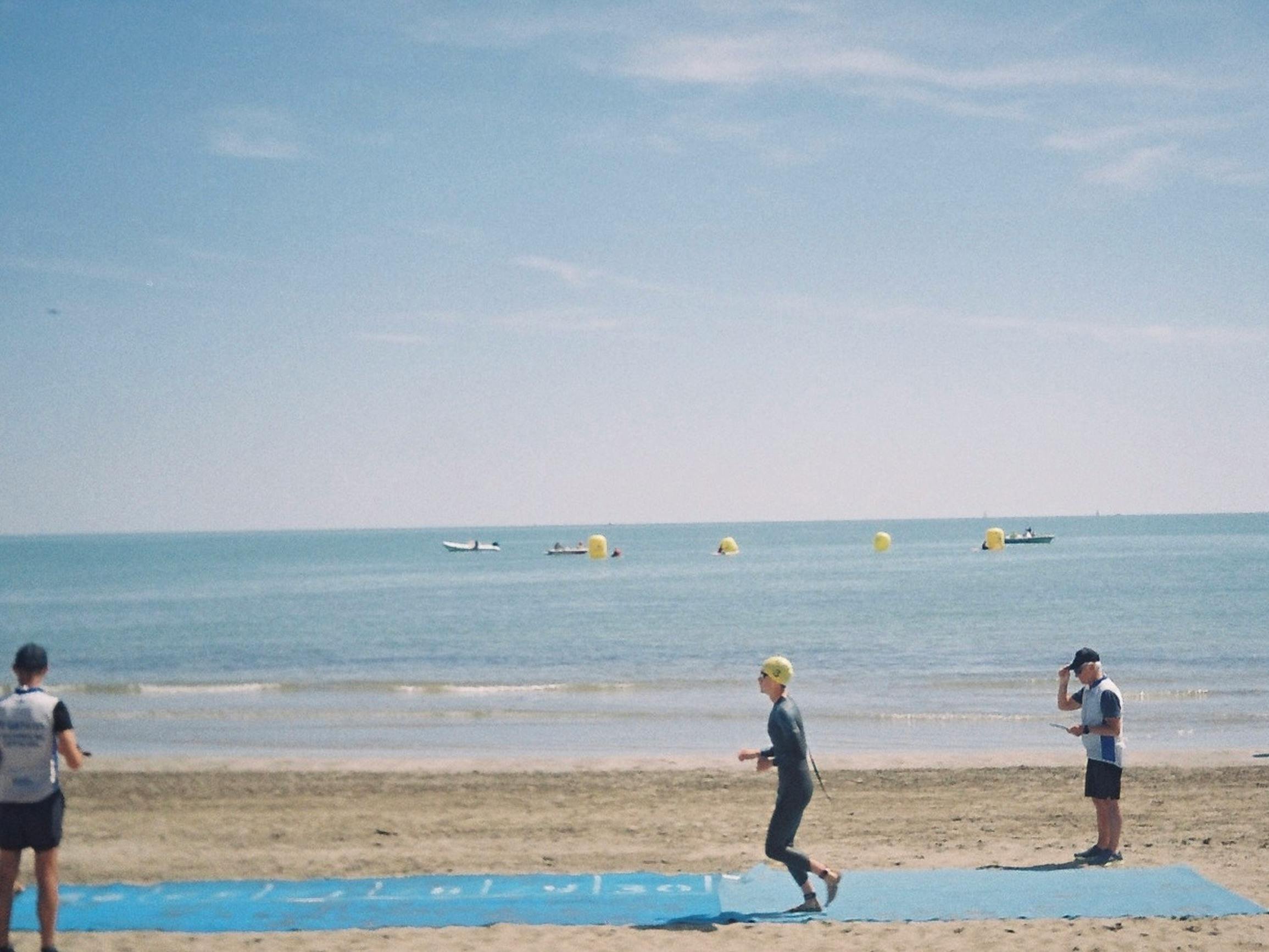
If you’ve never done an open water swim in cold water, it can be a shock—literally. Even experienced athletes underestimate how different it feels. Breathing is harder, sighting is essential, and let’s not even talk about the wetsuit wedgie.
Open Water Transition Checklist:
✔ Wetsuit fit check: Make sure it’s snug but not suffocating. Do a few swims in it before race day.
✔ Practice sighting: Lift your eyes every 6–10 strokes and keep your head low.
✔ Acclimate gradually: Start with short swims in cold water and build time each session.
✔ Never swim alone: Use a swim buoy and bring a buddy or coach.
https://www.youtube.com/watch?v=KK-f3IrGTQQ
The Run: From Belt to Pavement
The treadmill is great for nailing intervals. But once you get back on concrete, trails, or uneven roads, it’s a whole different ballgame.
Outdoor Run Transition Tips:
✔ Dial back the pace for the first couple of weeks to avoid injury.
✔ Add trail or grass sessions to rebuild stabilizer strength.
✔ Use hills and wind as natural resistance training.
✔ Log effort, not pace—your threshold pace indoors might not translate directly outside.
If your feet, knees, or hips feel off, it’s probably not your fitness—it’s your mechanics adapting to real terrain.
Outdoor Training Toolkit: Gear You’ll Need
Transitioning outdoors means gearing up differently. A few essentials you’ll want to have on hand:
Layered clothing for changing temps
Flat kit & spare tube (know how to use them!)
GPS watch with route tracking
Nutrition you’ve tested outside
Trail or road shoes depending on your surface
Sunglasses and sunscreen—year-round
Tracking Progress in the Great Outdoors
Your metrics might look “off” as you transition—especially HR, pace, and power. That’s okay. Your body is adapting to new stressors, and your watch doesn’t know about headwinds or potholes.
Stick to the plan, trust the process, and remember: Progress isn’t always linear—but it’s always earned.
Ready to Make the Shift?
Most triathletes feel a bit off when they start training outside again. I’ve coached athletes who were surprised by how hard their “easy ride” felt or how slow their run splits were. Don’t let that shake your confidence. Outdoor training brings you closer to the real race-day experience—and ultimately, to your goals.
Key Takeaways:
Start slow and prioritize safety and confidence
Rebuild outdoor-specific skills like sighting, cornering, and trail running
Expect your metrics to fluctuate at first
Use this shift to reignite your motivation and break out of the indoor rut