Sleep: The Secret Weapon Most Triathletes Ignore
What I’ve noticed after years of coaching is this: most triathletes will happily debate tire pressure, debate carb ratios, and debate whether Zone 2 is dead—yet quietly sacrifice sleep without a second thought. They’ll wake at 4:45 a.m. for a swim, stay up late to squeeze in work, family, and a sliver of downtime, and tell themselves it’s just part of the sport. Hustle culture sneaks into endurance training the same way it sneaks into life: disguised as dedication.
Here’s the truth about how athletes actually grow: training is the stimulus, but sleep is the adaptation. You don’t get fitter during the workout. You get fitter when your nervous system finally gets the space to rebuild.
If you’re chasing marginal gains—the theme that quietly separates finishers from podium contenders—sleep is not optional. It’s the biggest performance lever most triathletes underuse.
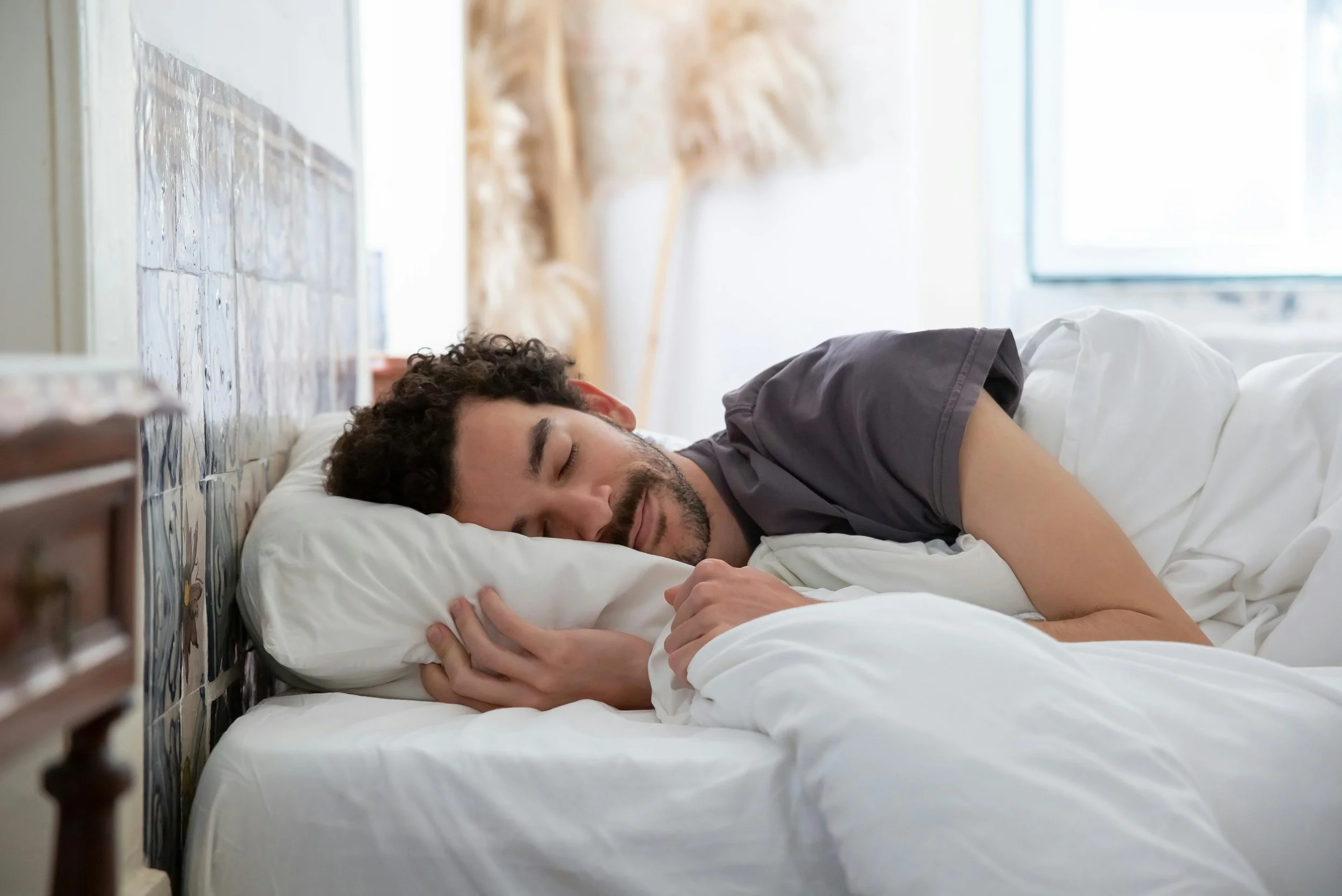
How does sleep improve triathlon performance more than extra training?
Sleep improves triathlon performance because it enhances hormonal balance, neuromuscular coordination, aerobic adaptation, and decision-making—while reducing injury risk and illness. In many cases, improving sleep quality leads to greater performance gains than adding more training volume.
That’s not motivational fluff. That’s physiology.
The Myth of “More Is Better”
Early in my coaching career, I fell into the same trap many coaches and athletes do. When an athlete plateaued, the instinct was to add something: another interval, another brick, another early-morning session. Sometimes it worked—briefly. More often, it created fragility. Athletes looked fit on paper but raced flat, struggled with consistency, or kept picking up nagging injuries that never fully resolved.
Over time, a pattern emerged. The athletes who improved year over year weren’t the ones training the most hours. They were the ones sleeping the best.
Sleep is where growth hormone peaks. It’s where glycogen stores are restored. It’s where the brain consolidates motor learning—yes, including swim technique, bike handling, and run economy. By 2026, the data is overwhelming: chronic sleep restriction blunts VO₂max development, reduces insulin sensitivity, and increases perceived exertion at any given workload.
In practical terms? That means your Zone 2 feels harder. Your threshold power stagnates. Your pacing decisions unravel late in races.
Sleep as a Technical Skill, Not a Lifestyle Afterthought
This season taught me that sleep needs to be coached the same way we coach fueling or pacing. Not moralized. Not romanticized. Structured.
Many triathletes think of sleep as passive. You either get it or you don’t. But elite performers treat sleep as an active skill—one that can be trained, protected, and improved.
I’ve worked with age-group athletes balancing careers, kids, and training blocks that would challenge a professional. When we improved sleep—not perfectly, but intentionally—training quality rose without adding a single extra session. Heart rate variability stabilized. Illness dropped. Race execution sharpened.
What surprised most athletes wasn’t that sleep mattered. It was how quickly it mattered.
The Nervous System: The Quiet Middleman
Endurance performance lives at the intersection of muscles, metabolism, and the nervous system. Sleep is the glue holding that intersection together.
Inadequate sleep keeps the sympathetic nervous system stuck in “on” mode. Cortisol stays elevated. Recovery signals get muted. Over time, athletes start confusing fatigue with lack of motivation, or worse, with a loss of discipline.
This is where burnout creeps in—not as a dramatic collapse, but as a slow erosion of joy. Sessions feel heavier. Confidence dips. The sport starts demanding more than it gives.
Sleep doesn’t just restore the body; it restores emotional resilience. And that matters deeply in triathlon, a sport that asks you to suffer calmly for hours.
What the Data Is Telling Us
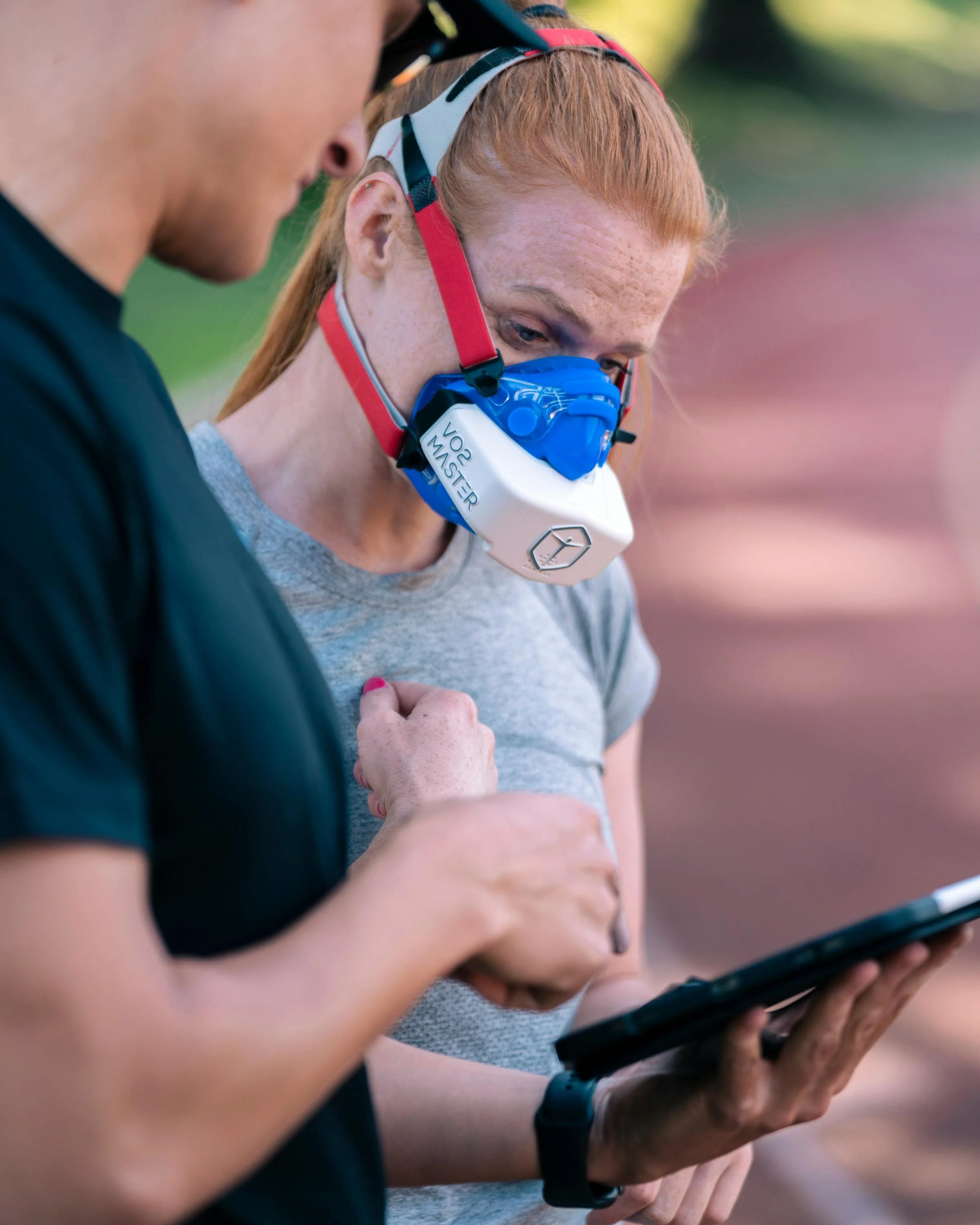
Wearable technology has matured. By 2026, we’re no longer guessing in the dark. Large datasets from endurance athletes consistently show that those averaging under seven hours of sleep experience higher injury rates, slower recovery between key sessions, and greater variability in race-day performance.
More interestingly, recent endurance research highlights that sleep regularity—going to bed and waking up at consistent times—may be as important as total duration. Athletes with stable sleep schedules show better autonomic balance and more predictable training responses, even when total sleep time is slightly reduced during heavy training blocks.
In plain language: erratic sleep sabotages consistency. And consistency wins races.
The Early-Morning Swim Dilemma
Let’s talk about the sacred cow of triathlon: the early swim.
I’m not anti-morning sessions. But I am anti-unexamined habits. If your 5:30 a.m. swim consistently costs you an hour or more of sleep, the trade-off deserves scrutiny. Technique gains disappear quickly when the nervous system is fried. Sloppy mechanics learned under fatigue don’t stick—they imprint inefficiency.
Some athletes thrive on early sessions because they’re asleep by 9:00 p.m. Others quietly accumulate sleep debt all season long, wondering why fitness never quite shows up on race day.
Margins of mastery live here—in honest self-assessment, not blanket rules.
Sleep and Race Execution
Race day isn’t just about fitness. It’s about judgment.
Sleep deprivation impairs pacing accuracy, increases risk-taking, and reduces the ability to respond to unexpected conditions. In long-course racing especially, decision-making is performance. When to push. When to hold. When to fuel. When to stay patient.
I’ve watched athletes with identical fitness profiles produce wildly different results based largely on how rested they were heading into race week. Sleep doesn’t guarantee a good race—but poor sleep almost guarantees a compromised one.
Building a Sleep-First Culture
At T1 Triathlon, we’ve increasingly framed sleep as a performance pillar, not a recovery afterthought. That doesn’t mean perfection. It means intention.
It means recognizing that sometimes the smartest training decision is to go to bed. That sometimes skipping a low-value session protects a high-value season. That mastery isn’t loud—it’s quiet, repeatable, and sustainable.
The best athletes I coach don’t brag about how little they sleep. They protect it like equipment.
Why This Matters More as You Age
As athletes move from their 20s into their 30s, 40s, and beyond, sleep becomes even more decisive. Hormonal recovery slows. Tissue resilience decreases. Training stress lingers longer.
Yet many age-group triathletes respond by pushing harder instead of recovering smarter. Sleep is the lowest-risk, highest-return intervention available—especially for athletes balancing demanding lives outside sport.
The Real Competitive Edge
Margins of mastery aren’t glamorous. They don’t photograph well. You can’t post them on Instagram.
But sleep quietly compounds. Week after week. Season after season.
If you’re looking for a secret weapon, this is it. Not because it’s hidden—but because it’s ignored.
If this resonates, you’re the kind of athlete I love working with—curious, reflective, and committed to long-term growth. Subscribe to the T1 Triathlon newsletter for weekly insights on training, performance, and the overlooked details that actually win races. Or explore T1 Triathlon coaching to build a smarter, more sustainable approach to your season.