The Art of Intentional Rest: Learning from Elite Athletes

Every fall, when the race calendar finally quiets down, I see the same tension play out among athletes — a tug-of-war between the body that craves stillness and the mind that fears it. I’ve seen it in age-groupers and Olympians alike. There’s an anxiety that if they stop, they’ll lose everything they’ve built. But here’s the paradox: the best athletes in the world aren’t the ones who train the hardest all the time. They’re the ones who’ve mastered the art of resting with intention.
The difference between “taking a break” and “resting with purpose” is everything. The former feels like stopping; the latter feels like preparing.
Why Elite Athletes Rest Better Than Most
Over my years of coaching, I’ve noticed that elite triathletes have a remarkable ability to step away from training without guilt. They understand that rest isn’t a luxury — it’s a performance enhancer.
When you look at their training logs, you see deliberate fluctuations in load. Heavy blocks of intensity are always followed by recovery block training — sometimes a few days, sometimes a few weeks. This isn’t laziness; it’s physiology at work.
In endurance science, this balance is explained through periodization — the systematic manipulation of stress and recovery to drive adaptation. Each training phase has a purpose: build, overload, recover, reset. The periodization rest phase is where the body transforms training stress into fitness gains.
I often remind my athletes: you don’t get faster during the work; you get faster during the recovery.
The Science Behind Intentional Rest
So why does this work? The answer lies in a concept called supercompensation — the body’s natural response to training stress.
Here’s how it works:
You train → your body breaks down → you rest → your body rebuilds stronger.
But there’s a catch — if you train too soon or too hard again before full recovery, you interrupt that process. Fatigue accumulates, hormones become imbalanced, and over time, performance declines.
A 2025 Journal of Applied Sport Physiology meta-analysis confirmed that structured rest periods of at least one week following major competition blocks significantly improved mitochondrial efficiency and aerobic enzyme function compared to continuous moderate-load training. In other words, doing nothing for a short period was more productive than doing “a little something” every day.
Elite athletes have internalized this. They view rest not as lost time, but as an investment in their next breakthrough.
What Intentional Rest Looks Like
Intentional rest isn’t about sleeping in and calling it a recovery phase. It’s about choosing recovery with purpose — allowing the body and mind to reset while keeping just enough movement to stay connected.
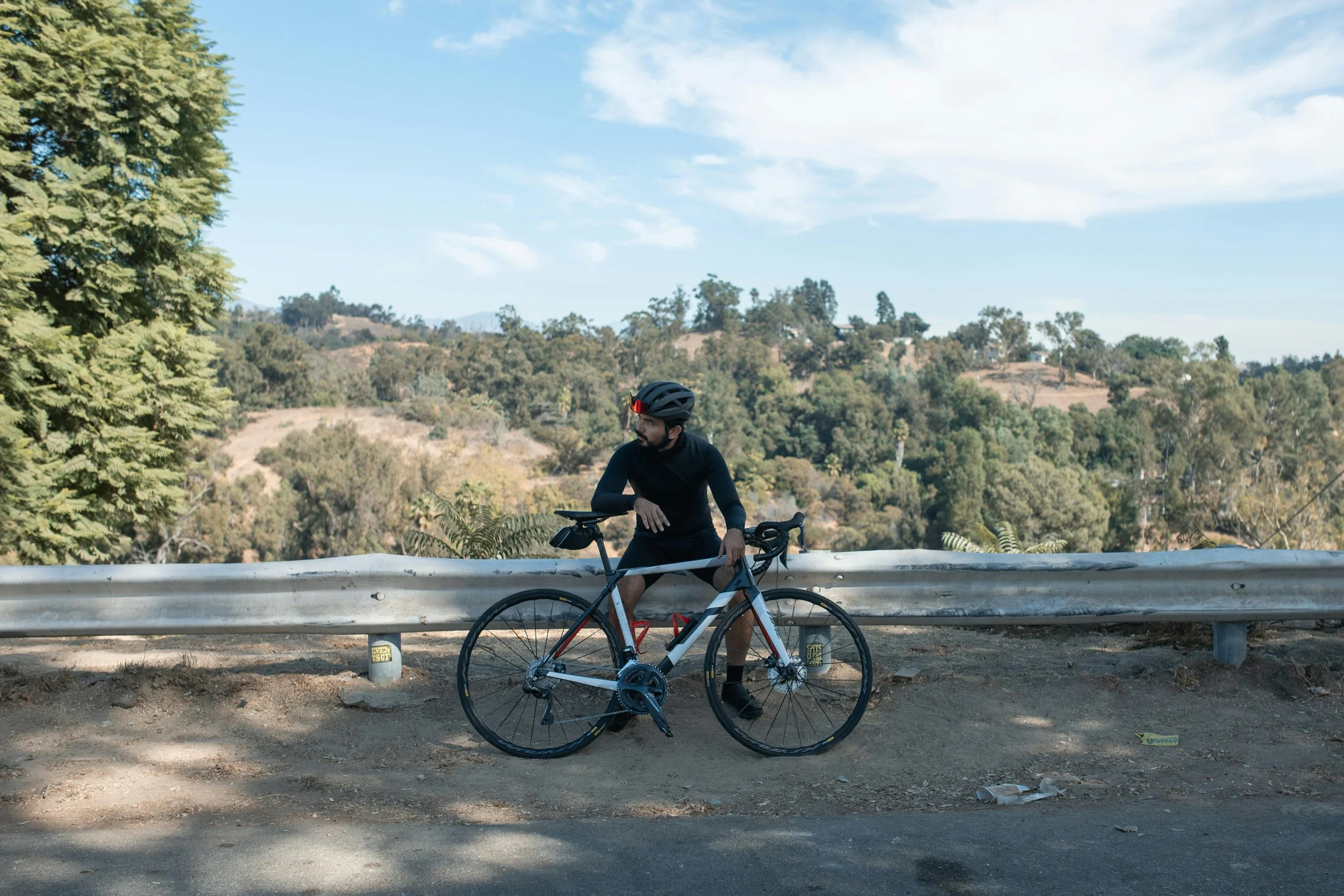
During triathlon off-season training, my athletes often shift to what I call “unstructured structure.” They still move — easy spins, relaxed swims, hikes, mobility work — but without metrics or targets. It’s a mental and physiological exhale.
This kind of off-season endurance plan preserves aerobic capacity while restoring the athlete’s energy systems. The volume may drop by 40–60%, intensity by 70–80%, but the focus shifts toward quality of movement, balance, and renewal.
When I trained full-time, my coach used to tell me, “Your body doesn’t speak in workouts — it speaks in recovery.” I didn’t understand that at first. But over time, I learned that the feedback loops of soreness, fatigue, sleep, and motivation all tell a story. Listening to that story — and adjusting accordingly — is what makes rest intentional.
Lessons from the Pros
If you study elite triathletes — from Blummenfelt and Duffy to Ryf and Wilde — you’ll notice that their off-seasons aren’t filled with “secret training.” They’re filled with presence.
Some spend a few weeks skiing or mountain biking. Others step completely away from structured exercise. Many of them allow their body weight to rise slightly, their heart rate variability to normalize, and their desire to train to return naturally.
In fact, Kristian Blummenfelt said in a 2025 interview with Triathlete.com that his biggest performance leap came not from adding more hours, but from finally learning how to disconnect fully between seasons. That period of detachment allowed him to mentally reset — and return to training with sharper focus and renewed hunger.
That’s what the off-season is meant to do. It’s not a void — it’s a recalibration.
The Mental Game of Doing Less
For driven athletes, rest is an act of courage. It requires trust — trust that your body knows what to do, trust that your fitness won’t evaporate overnight, trust that progress is cyclical, not linear.
What I’ve noticed after years of coaching is that the athletes who embrace downtime come back not just fresher, but more motivated. They approach their next base phase triathlon with clarity rather than compulsion. They train because they want to, not because they feel they have to.
I’ve seen it time and again: an athlete who’s burned out from pushing year-round takes a month of deliberate rest and returns with better metrics, improved power output, and a deeper joy for training.
Science supports this, too. Studies on psychological recovery in endurance athletes show that perceived motivation increases after structured rest periods — even when short-term fitness temporarily declines. The takeaway? The mind needs rest as much as the muscles do.
How to Practice Intentional Rest
Here’s what intentional rest looks like in practical terms:
It’s skipping the long ride not because you’re lazy, but because you know recovery is the most effective training you can do that day. It’s taking a week away from the pool because your shoulders need it, and replacing it with yoga and breathing work. It’s letting yourself be a whole person again — a parent, a friend, a traveler — not just an athlete.
When I finish my coaching year, I deliberately schedule a few unstructured weeks. No data, no analysis. I let my brain wander. Inevitably, I start feeling the pull again — the curiosity, the spark to plan. That’s when I know I’m ready to rebuild.
From Stillness Comes Strength
The art of intentional rest isn’t about pausing; it’s about positioning. You’re not stepping back — you’re coiling the spring.
Every endurance system in the body — cardiovascular, muscular, hormonal, neurological — thrives on rhythm. Stress, recovery, rebuild. In skipping the recovery, you break the rhythm. In honoring it, you create longevity.
This is what elite athletes understand that most age-groupers overlook: the best training plans are not defined by how much work they include, but by how well they manage rest.
So as you navigate your own off-season, I challenge you to approach rest as an athlete would approach training — with discipline, curiosity, and intention. Because the next season doesn’t start when you begin to train again. It starts the moment you choose to recover well.
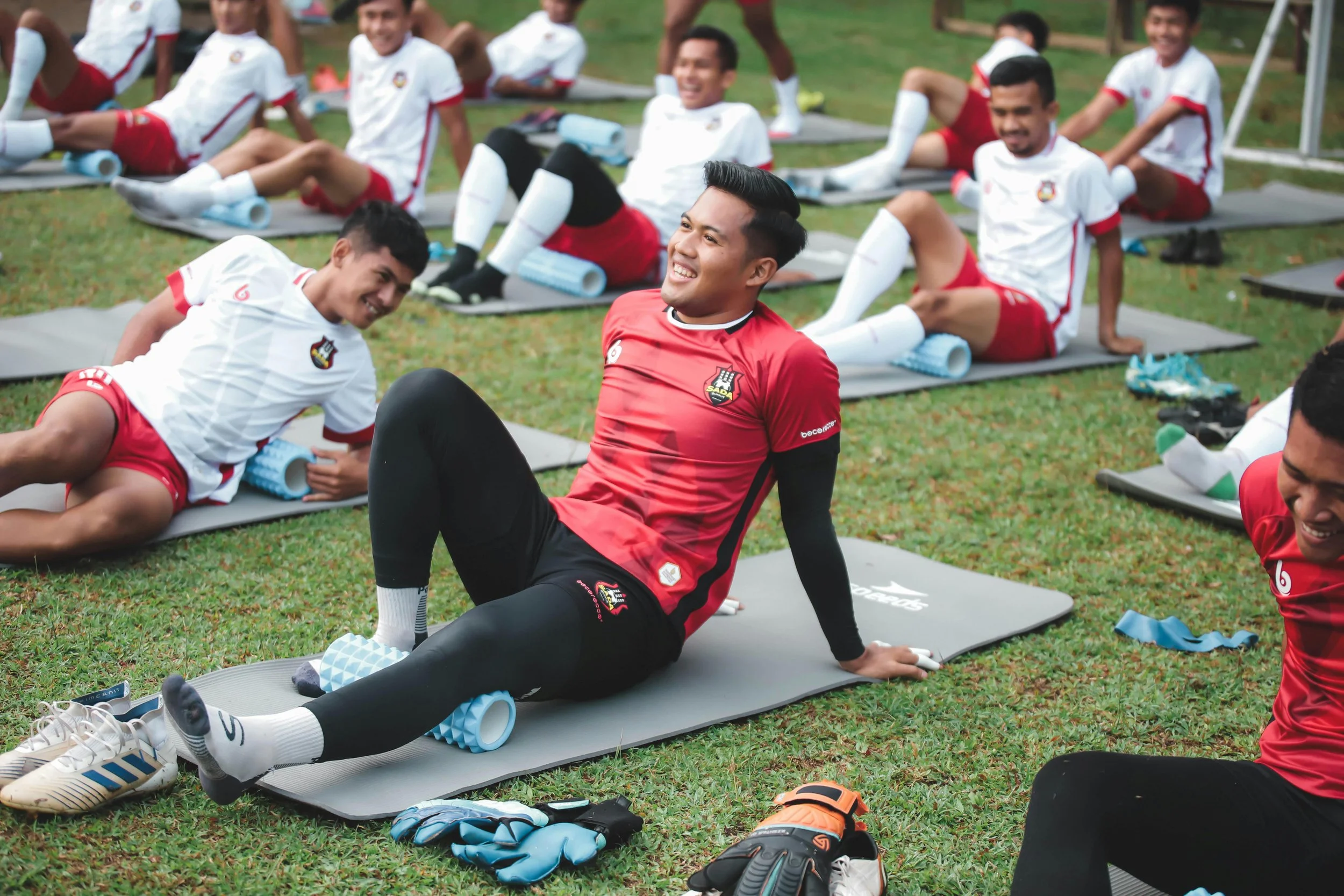
The off-season is your opportunity to rebuild intelligently — to recover with purpose, to move with awareness, and to train smarter for the year ahead.
If you’re ready to create a personalized triathlon off-season training plan that prioritizes longevity, balance, and peak performance, explore T1 Triathlon Coaching